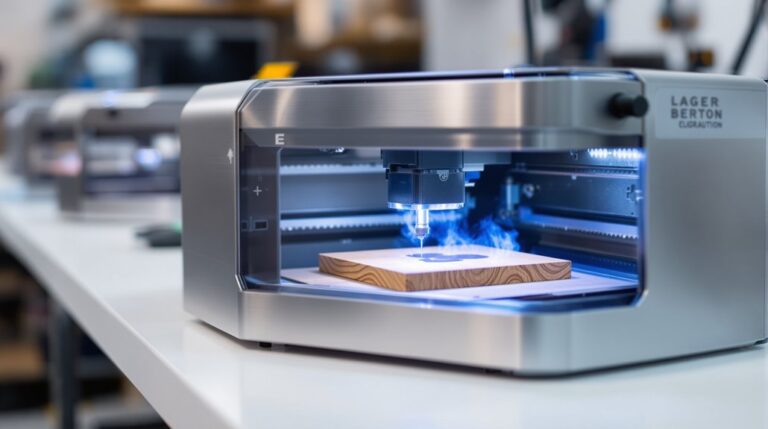
Here are the best mini laser etching machine picks for makers.
The Ray5 3500mW gives solid wood engraving, and the LaserPecker LP1 Pro is portable enough for small projects.
The Ray5 Mini 3.5W fits in tight spaces, with a 6×6 inch area that works for trays and small signs.
Start with adjustable power, safety goggles, and quick setup tips, and you’ll see why this hobby clicks for us, and what comes next.
| LONGER RAY5 3500mW Laser Engraver 130x140mm |  | Best Power | Engraving Area: 130×140 mm | Portability / Desk Footprint: Portable design for home/travel use | Material Versatility: solid wood, MDF, acrylic, leather, etc. (+100 others) | VIEW LATEST PRICE | Read Our Analysis |
| LaserPecker LP1 Pro Portable Laser Engraver |  | Ultra Portable | Engraving Area: 4×4 inch engraving area | Portability / Desk Footprint: Mini, palm-sized (2.56×2.4×2) | Material Versatility: pine, balsa, plywood (plus other materials via templates) | VIEW LATEST PRICE | Read Our Analysis |
| Ray5 Mini 2.5W Desktop Laser Engraver for DIY |  | Beginner-Friendly | Engraving Area: 130×140 mm | Portability / Desk Footprint: Desktop/compact design | Material Versatility: 300+ materials (wood, metal, acrylic, leather) | VIEW LATEST PRICE | Read Our Analysis |
| Ray5 Mini Portable Laser Engraver (3.5W) | 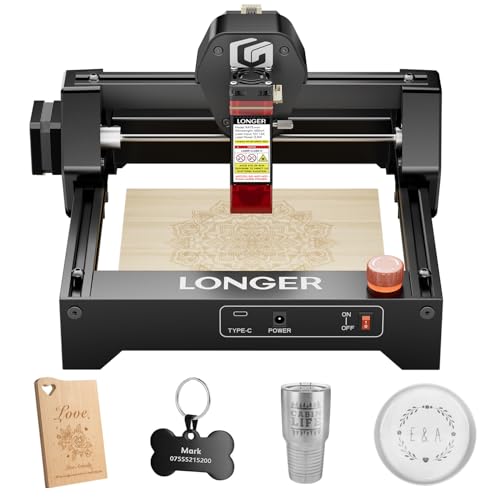 | Portable Powerhouse | Engraving Area: 130×140 mm | Portability / Desk Footprint: Desktop footprint; compact | Material Versatility: 300+ materials (wood, metal, acrylic, leather) | VIEW LATEST PRICE | Read Our Analysis |
More Details on Our Top Picks
LONGER RAY5 3500mW Laser Engraver 130x140mm
If you want a portable, ready-to-use laser engraver, the LONGER RAY5 is a great pick. It delivers 3500 mW of power and precise engraving at 0.04 by 0.04 mm, with a 130 by 140 mm work area. It ships ready to go, with a focus block for quick setup and no messy assembly. It can cut through basswood up to 8 mm and black acrylic up to 3 mm, so you can try wood crafts and signs. We connect by Wi-Fi or USB, and it handles many file formats, from BMP to SVG, friendly for makers like us.
- Engraving Area:130×140 mm
- Portability / Desk Footprint:Portable design for home/travel use
- Material Versatility:solid wood, MDF, acrylic, leather, etc. (+100 others)
- Connectivity / Control:Wi‑Fi, USB
- Pre-assembly / Setup Readiness:Fully assembled; minimal installation
- Safety Features Included:(Safety features not explicitly listed)
- Additional Feature:Photo-realistic engraving 1:1
- Additional Feature:Focus block included
- Additional Feature:Portable travel-friendly design
LaserPecker LP1 Pro Portable Laser Engraver
This LaserPecker LP1 Pro shines for on-the-go projects, thanks to its palm-sized, 190 g design. Engraving is easy with a 0.15 mm laser that etches fine patterns on pine, balsa, and plywood. I love the simple 3-step setup, Bluetooth, 20 cm height, design upload, and it runs fast. It weighs 190 g, is 89% lighter than desktop engravers, and comes with safety glasses and a password lock. With a 10,000+ hour lifespan and under 3 cents per hour, it saves money and supports many projects. I can print small things like keychains, coasters, or tags, and there are free templates too today.
- Engraving Area:4×4 inch engraving area
- Portability / Desk Footprint:Mini, palm-sized (2.56×2.4×2)
- Material Versatility:pine, balsa, plywood (plus other materials via templates)
- Connectivity / Control:Bluetooth connection (plus templates)
- Pre-assembly / Setup Readiness:(Implied ready via 3-step setup; no extensive assembly described)
- Safety Features Included:Laser safety glasses included; password lock; motion detection
- Additional Feature:Palm-sized portable design
- Additional Feature:Bluetooth connectivity
- Additional Feature:Tripod included
Ray5 Mini 2.5W Desktop Laser Engraver for DIY
The Ray5 Mini 2.5W is ideal for beginners who want a portable, desk‑side laser. It arrives pre‑assembled and ready to learn, with straightforward manuals and video tutorials. It can handle 300+ materials, from wood to metal, acrylic to leather, and its 0.04mm spot delivers fine detail at up to 12,000 mm per minute. You can connect by USB, WiFi, or an app, and it works with LaserGRBL, LightBurn, or LaserBurn. Compact at 11.28 by 11.5 by 6.5 inches and 5.08 pounds, it feels like a sturdy, user‑friendly tool with safety features and strong support for curious makers.
- Engraving Area:130×140 mm
- Portability / Desk Footprint:Desktop/compact design
- Material Versatility:300+ materials (wood, metal, acrylic, leather)
- Connectivity / Control:USB, Wi‑Fi, App
- Pre-assembly / Setup Readiness:Pre-assembled; beginner-friendly
- Safety Features Included:Emergency stop button; motion protection; limit switches; safety goggles
- Additional Feature:Pre-assembled
- Additional Feature:Lifetime technical support
- Additional Feature:Emergency stop button
Ray5 Mini Portable Laser Engraver (3.5W)
For hobbyists seeking a portable, ready-to-use laser, the Ray5 delivers. It arrives pre-assembled, making setup a breeze, with step-by-step manuals and video tutorials that guide you through every project. This 3.5W model can cut through wood, leather, acrylic, and more at up to 12,000 mm per minute, featuring a sharp 0.04 mm spot. The 130 by 140 mm work area fits small items like jewelry and ceramic pieces. Control options include USB, WiFi, or an app, and it supports LaserGRBL, LightBurn, and LaserBurn for both offline and online work. Safety gear is included as well.
- Engraving Area:130×140 mm
- Portability / Desk Footprint:Desktop footprint; compact
- Material Versatility:300+ materials (wood, metal, acrylic, leather)
- Connectivity / Control:USB, Wi‑Fi, App control
- Pre-assembly / Setup Readiness:Pre-assembled; ready to use; manuals/video tutorials
- Safety Features Included:Emergency stop; motion protection; limit switches; safety goggles; 24/7 support
- Additional Feature:Dual power options
- Additional Feature:Online/offline project capability
- Additional Feature:Jewelry and ceramics support
Factors to Consider When Choosing a Mini Laser Etching Machine

When choosing a mini laser, I consider power levels and speed to fit my projects. I also evaluate the work area, material versatility, and safety features to keep operation easy and safe. Finally, I want simple setup and assembly, with clear instructions and ready-to-use tips.
Power Levels And Speed
Power levels and speed determine how quickly my mini laser etcher works, and they matter for different tasks. Higher power burns deeper lines on wood, while lower power preserves delicate outlines. Speed affects repeatability, practice cuts benefit from slower moves, and precision tasks like tiny text require patience. I set power and speed by task, then test on scrap material before starting the real project.
A good machine offers adjustable power and speed, plus safety features that protect fingers. For beginners, I recommend small test runs to gauge how much burn you’ll get. Keep a log of materials and settings so your results stay predictable. With patience, choosing power and speed becomes part of the fun, not a mystery. You’ve got this, maker friend.
Work Area Size
A good work area size keeps your projects flowing and scraps organized. I like a square-inch mindset, giving space for small boards, tags, or stickers alongside the project. When you plan, measure the largest item you want to etch, then add room for clamps and waste. A roomy bed saves time because you won’t have to switch items constantly. Look for a work area around 6 by 6 inches or bigger if you do detail work, and consider lasers that allow easy slide-in and slide-out. Compact units fit simple tasks, while larger areas help with batches. Think about future ideas, not just today. A few tips keep it tidy, safe, and ready for your next project.
Material Versatility
Choosing a mini laser isn’t only about bed size; it’s also about how many materials you can work with. Some machines handle more than 300 materials, including wood, acrylic, and leather, which makes projects feel endless. Power matters: higher wattages around 3.5W can cut thicker or denser materials than a 2.5W unit. Engraving is typically precise around 0.04 mm, so details pop on many surfaces, though texture can hide finer lines. Cutting depth varies by material; basswood can reach about 8 mm, while solid wood may top out near 9 mm. Some materials, such as black alumina, require specific settings and aren’t always supported. Pick a model that fits your material goals and practice. It should feel fun and doable for a curious maker.
Safety Features
As you dive into mini laser projects, safety features keep sessions smooth. I always look for machines with an emergency stop button, so we can halt immediately if something goes off track. Motion protection helps too, with automatic shutdown when the machine detects unusual movement, which makes beginners feel safer. X/Y axis limit switches stop the head from wandering outside the engraving area, protecting the device and your work surface from bumps. Don’t forget safety goggles designed for laser light; we wear them whenever we power up. Password lock features add another layer, keeping curious hands and younger siblings away from the switch. These basics make the hobby easier and more fun. Follow these tips for reliable, enjoyable sessions ahead.
Setup And Assembly
If you’re shopping for a mini laser etching machine, setup and assembly matter from day one. Many models arrive fully assembled, so you can start right away and make quick projects with friends. Others use step-by-step manuals and video guides, which help you learn at your own pace without guessing. Machines with pre-assembled designs focus on ease of use, so beginners feel confident from the start. Setup might mean plugging in a USB cable to your computer, or connecting to WiFi for wireless work, which saves clutter on your desk. Software installation and tuning translate designs into laser commands, but that part is separate from any physical assembly. Pick a model that fits your comfort and goals for your projects ahead.
Portability And Weight
When you pick a mini laser, weight and size matter, and portability makes projects easier. Some options are truly portable, palm-sized and under 500 g, perfect for travel and on the go. Others are desktop models, weighing from about 1.5 kg up to 5 kg, which stay sturdy during engraving. Lighter machines are easy to carry, but they may need a stable surface or extra clamps to stop movement. The weight also ties to the engraving area, since smaller setups are lighter and easier to stash. If you want ultra portability, look for sub 500 g designs with compact dimensions. For home projects, a 1.5 to 3 kg model offers a good balance of weight and stability. Pick what fits your space and plans. It should feel like a breeze.
Frequently Asked Questions
What Safety Gear Is Required for Mini Laser Engraving?
- Laser safety goggles rated for the specific wavelength being used
- Respirator or dust mask to protect against fumes
- Gloves if handling solvents or materials that may irritate skin
- Flame-resistant apron or protective clothing
- Ensure proper ventilation with a fume extractor
- Keep a suitable fire extinguisher nearby and know how to use it
How Long Do Lenses and Mirrors Last?
Typically, lenses and mirrors last hundreds to thousands of hours with normal use. Performance degrades due to heat, debris, and kerf burnback. Inspect for haze, burns, or coating deterioration, and replace when the beam loses sharpness or transmission becomes uneven.
Can I Engrave Metal With These Machines?
Yes, I can tell you that you can engrave some metals with these machines, especially coated, anodized, or painted surfaces; bare metal needs a fiber laser. For mini units, expect marks on aluminum or steel.
What Software Is Compatible With These Engravers?
I can confirm these engravers work with LightBurn, LaserGRBL, Inkscape with plugins, and RDWorks or EZCAD depending on the controller. I switch between them based on hardware and project needs. Please share your exact model.
Is There Community Support and Spare Parts Availability?
Yes, there’s a strong community and solid spare-parts availability. I can quickly locate threads, tutorials, and upgrades, and vendors stock components. If you encounter issues, I’ll point you to reliable sellers and replacement options.