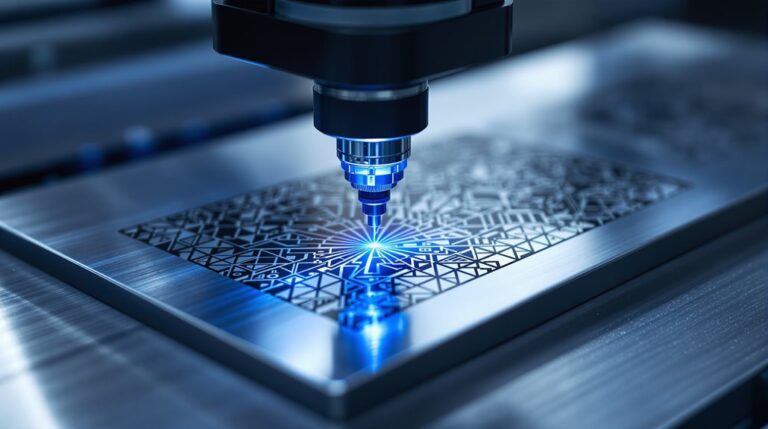
I love how diode lasers make quick projects possible, and the best diode laser cutting machine in your workshop can be a game changer for etched wood or simple paper cuts.
The ACMER S1 gives 6W and a compact 130x130mm bed, the LONGER Ray5 adds a touch screen and safer shutdowns, and the Longer Laser B1 dives into thicker cuts with 30W and air assist.
For beginners, start small, use LightBurn, and watch material safety.
Curious which setup fits your space best? There’s more to explore.
| ACMER S1 Laser Engraver 6000mW 130x130mm | High-Power Precision | Engraver Type: ACMER S1 Laser Engraver | Working Area: 130 x 130 mm | Laser Power (approx. output): 6000 mW | VIEW LATEST PRICE | Read Our Analysis | |
| LONGER Ray5 5W Laser Engraver with Touch Screen | App-Controlled Precision | Engraver Type: LONGER Ray5 Laser Engraver | Working Area: 400 x 400 mm | Laser Power (approx. output): 5000 mW | VIEW LATEST PRICE | Read Our Analysis | |
| Acmer S1 Laser Engraver 2.5W 130x130mm |  | Beginner-Friendly | Engraver Type: Acmer S1 Laser Engraver | Working Area: 130 x 130 mm | Laser Power (approx. output): 2500 mW | VIEW LATEST PRICE | Read Our Analysis |
| Longer Laser B1 30W Engraver with Air Assist |  | Professional-Grade Power | Engraver Type: Longer Laser B1 Engraver | Working Area: 450 x 440 mm | Laser Power (approx. output): 30000 mW | VIEW LATEST PRICE | Read Our Analysis |
More Details on Our Top Picks
ACMER S1 Laser Engraver 6000mW 130x130mm
If you want fast, sharp engravings, the ACMER S1 with a 6000mW laser and a 130x130mm area is ideal for hobbyists. I love its 2mm focal length and 0.04mm laser spot, which deliver clean lines. My projects run at 10,000mm/min, and I can cut thin plywood, acrylic, or leather with simple setups. It offers 2-in-1 engraving and cutting and supports NC, DXF, BMP, JPG, and PNG files. The included AcmerTool software plus LightBurn make dialing in proofs quick, while the 99% preassembled design saves setup time. You’ll enjoy a compact, sturdy machine with a 12-month warranty and daily support.
- Engraver Type:ACMER S1 Laser Engraver
- Working Area:130 x 130 mm
- Laser Power (approx. output):6000 mW
- Software Compatibility:AcmerTool; LightBurn; LaserGRBL (macOS/Windows/Linux)
- Connectivity / Interfaces:USB/PC control (via multi-core processor; OS compatibility)
- Safety / Compliance:IEC 60825-1 compliant; Class 4 laser
- Additional Feature:2-in-1 Engraving & Cutting
- Additional Feature:1-Minute Head Install
- Additional Feature:Industrial-Grade Aluminum Body
LONGER Ray5 5W Laser Engraver with Touch Screen
This LONGER Ray5 5W Engraver shines for hobbyists who want precise, fast results at home. It uses a 5W laser, a 240MHz ESP32, and can reach 10,000mm/min with a 0.08mm spot for sharp lines. I love its 400x400mm area and compatibility with stainless steel, leather, wood, glass, and acrylic. You connect by USB or WiFi, save files on a TF card, and control it with LaserGRBL or LightBurn, even offline. Safety is solid with an emergency shutdown, protective covers, and goggles. Setup is friendly, with guides and 24/7 support from Longer. It also includes tools and clear tutorials online.
- Engraver Type:LONGER Ray5 Laser Engraver
- Working Area:400 x 400 mm
- Laser Power (approx. output):5000 mW
- Software Compatibility:LaserGRBL; LightBurn; App control; offline mode
- Connectivity / Interfaces:USB; TF card; WiFi; App control
- Safety / Compliance:Emergency shutdown; motion protection; overheating prevention; protective covers; goggles included
- Additional Feature:App Control
- Additional Feature:WiFi Connectivity
- Additional Feature:Goggles Included
Acmer S1 Laser Engraver 2.5W 130x130mm
With a compact 2.5W laser and a 130x130mm workspace, the Acmer S1 is ideal for beginners. It uses a 2.5W, 455±5nm beam, reliable for engraving on wood, bamboo, leather, plastic, and coated metals. The 2mm focal length helps keep details sharp at 10,000 mm/min with 0.01 mm accuracy. Harmonic lens tech adds fine engraving, and the device is preassembled for quick setup. Use it on wood, bamboo, leather, or coated metals, plus thin plywood for crafts. It runs on macOS, Windows, and Linux, with LightBurn or LaserGRBL. A lightweight, portable build makes it easy to craft, swap projects, and share wins together.
- Engraver Type:Acmer S1 Laser Engraver
- Working Area:130 x 130 mm
- Laser Power (approx. output):2500 mW
- Software Compatibility:LightBurn; LaserGRBL (macOS/Windows/Linux)
- Connectivity / Interfaces:(Not explicitly listed beyond software compatibility)
- Safety / Compliance:(Safety details not explicitly listed beyond basic pre-assembly)
- Additional Feature:Harmonic Lens Technology
- Additional Feature:Ultra-Fine Engraving Accuracy
- Additional Feature:Preassembled in Minutes
Longer Laser B1 30W Engraver with Air Assist
The Longer Laser B1 30W is ideal for hobbyists seeking clean, fast cuts. Its 450 x 440 mm workspace fits small to mid-size projects, and it can output up to 36W for crisp results. It easily cuts 25 mm basswood and 50 mm acrylic, and it can directly engrave colorful patterns on mirrored stainless steel with high precision. The auto air assist, software-controlled, keeps heat down and lines clean. With a speed of 600 mm/s and a 23.75% larger work area, this machine feels fast and reliable for any project. Eight major safety features provide peace of mind.
- Engraver Type:Longer Laser B1 Engraver
- Working Area:450 x 440 mm
- Laser Power (approx. output):30000 mW
- Software Compatibility:LightBurn; LaserGRBL (software-controlled workflow implied)
- Connectivity / Interfaces:App control (LightBurn-driven workflow)
- Safety / Compliance:Eight safety features (Move, Flame, Offline, Motionless, Security Lock, Eye Protection, Emergency Stop, Zero Reset)
- Additional Feature:Auto Air Assist
- Additional Feature:Colorful Stainless Engraving
- Additional Feature:Up to 36W Output
Factors to Consider When Choosing a Diode Laser Cutting Machine
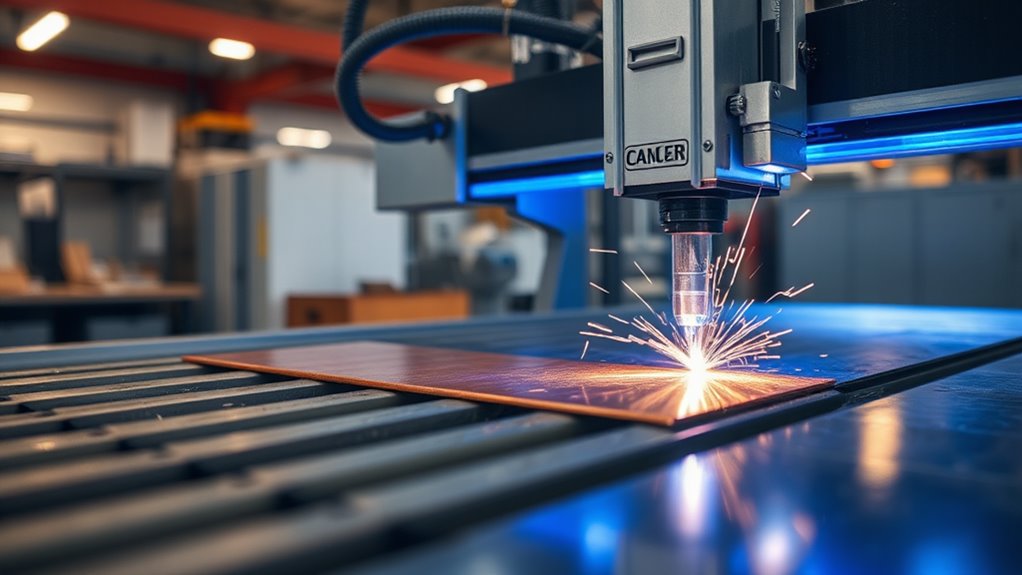
When choosing a diode laser cutter, consider power needs (for example, 5W for paper or 40W for plastics). Check the working area to ensure plans fit on the bed and leave room for clamps. Compare material compatibility, safety features, and software basics to keep setup simple and intuitive for you.
Laser Power Requirements
As you pick a diode laser cutter, power matters, but numbers aren’t everything. I look at what you want to cut and how thick it is, because more power can cut thicker material and speed up engraving. But the laser’s output power isn’t the same as its raw rating, so I check real performance reports. A 2 to 5W laser is great for paper, leather, and thin wood, but cutting becomes tricky on anything stiff. Lasers 15W and up can slice through acrylic and wood, maybe metals, though you might need several passes. The required power depends on material type and thickness, since denser materials need more power to cut well. If you start with a flexible unit, you can grow with practice too.
Working Area Size
Choosing the right working area means matching size to your projects and space. If you mostly cut large pieces, a bigger board like 400×400 mm or 450×440 mm helps you work faster and reduces the need to rearrange. For detail work, a smaller area such as 130×130 mm keeps the machine portable and affordable, which is great for beginners. Your typical project size will decide what you need, because a larger area lets you process bigger parts without repositioning. Bigger areas usually mean a higher price and a bigger footprint, so consider your shop layout before you buy. With the right size, cutting becomes smoother and more enjoyable. If you need flexibility, look for a model with room to grow later.
Material Compatibility
If you’re choosing a diode laser, start by considering the materials you want to work with.
- Low-power units (around 2.5–6 W): Best for engraving or cutting very thin materials such as paper, thin plywood, and some plastics.
- Mid-range to higher power (around 10 W or more): More capable of cutting through thicker material, such as 3–5 mm basswood or acrylic, depending on material density and cutting settings.
- Engraving with lower power: Wood, leather, ceramics, and coated metals can still be engraved effectively, yielding strong results even at lower powers.
- Stainless steel: Typically requires a laser over 15 W and often specialized settings or techniques to achieve good results.
- Wavelength considerations: A wavelength around 450–455 nm influences material absorption and can affect cutting speed and efficiency.
Safety and Compliance
After considering what materials you’ll cut, safety and compliance deserve serious attention. Lasers are rated by class, with Class 4 requiring extra care. I also check for IEC 60825-1 compliance to ensure emissions meet safety rules. Important safety features include emergency shutdowns and motion protection to prevent accidents. Protective enclosures and eye protection prevent harmful radiation from reaching your eyes. Overheating prevention and security locks help keep things from getting too hot or open. In short, I look for a safe enclosure, proper eye protection, and automatic shutoff. That mix helps hobbyists like us stay curious and confident as we explore. We also want clear safety guides and built-in alarms for peace of mind and confidence.
Software Compatibility
Software compatibility really shapes how easy it is to get started and finish projects fast. I look for machines that read common file types like NC, DXF, BMP, JPG, and PNG, so I can bring my designs straight to the laser without extra conversions. Some models let a multi-core processor handle engraving tasks, which means faster previews and the ability to tackle more detailed artworks. I also value support for LightBurn and LaserGRBL, since they expand features and keep things familiar. Offline use matters too, through a TF card or USB, so a workshop run never hinges on a steady computer connection. Best of all, it should work on macOS, Windows, or Linux for flexibility. That combination keeps options open and projects fun.
Maintenance and Support
Keeping a diode laser running smoothly is easier when I clean lenses and mirrors regularly. Routine maintenance helps keep laser power high and beam quality steady, so cuts stay precise. I like to check optics after long jobs and wipe dust with a soft lens tissue, then use the right cleaner. Longer warranties, like a 12-month option, give peace of mind and save surprise repair costs. Ready access to support, especially 24/7 help, keeps downtime short and fixes fast. Machines with simpler designs usually mean less messy maintenance and fewer parts to worry about. Software updates matter too, keeping features fresh and fixing bugs for smooth operation. I also test settings, save presets, and plan checks to catch trouble before it slows me down.
Frequently Asked Questions
How Often Should Diode Laser Modules Be Serviced?
I recommend servicing diode laser modules every 6 to 12 months, depending on usage and duty cycle. I inspect seals, optics, cooling, and alignment, and replace worn components as needed. If you notice performance dips, schedule service sooner.
Can Diode Lasers Cut Metal or Only Non-Metals?
I can confirm diode lasers mainly cut non-metals; metal cutting isn’t typical. With high-power systems you can process some metals, but for most metals I’d use fiber or CO2 lasers instead. I recommend checking the laser specs (power, wavelength, beam quality, and material compatibility) for a given job.
What Is Typical Maintenance Cost Over Time?
Maintenance costs vary, but I typically budget a few hundred to a few thousand dollars per year, depending on usage, consumables, and repairs. I factor in alignments, lens replacements, and coolant checks when estimating the annual cost.
Are There Licensing Restrictions for Home Laser Use?
Yes, there are licensing and regulatory restrictions for home laser use. I’d recommend checking your local laws; you might need permits, operator safety training, and adherence to fire, ventilation, and emissions rules before installing one.
How Does Ambient Temperature Affect Diode Laser Performance?
Ambient temperature affects diode laser performance. Higher temperatures reduce efficiency and output power, shift the emission wavelength, and increase the risk of overheating. Cooler surroundings stabilize operation, improve reliability, and prolong life, so I monitor temperatures closely today.