I’m excited to share the best handheld laser marking machine lineup that makes pros’ work smoother, from the PEKOKO 10W for plastics and wood to the 30W fiber models that blast metals with high contrast, plus the portable Leaice 20W that fits your toolkit at about 20 pounds.
These come with touch previews, serial number marking, and tight 0.01 mm accuracy, all backed by solid support.
Curious how these fit your project needs, and what you should consider next? Let’s compare and decide.
| PEKOKO 10W Portable Laser Marking Machine | 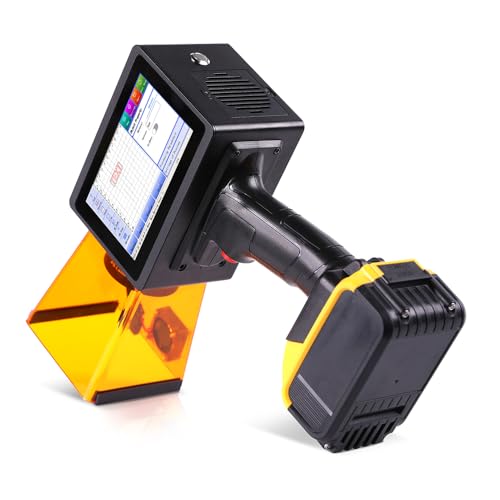 | Best Portable Battery | Form factor: Handheld portable | Material compatibility: Metals (various metals) and non-metals (wood, leather, plastic, etc.) | Marking capabilities (codes/text/images): Text, serial numbers, QR codes, barcodes, images, date/time | VIEW LATEST PRICE | Read Our Analysis |
| Fiber Laser Engraver Handheld 30W Portable Marker |  | Professional Grade | Form factor: Handheld portable | Material compatibility: Metals and non-metals | Marking capabilities (codes/text/images): Logos, QR codes, text, barcodes | VIEW LATEST PRICE | Read Our Analysis |
| Leaice 20W Handheld Fiber Laser Engraver |  | Compact Power | Form factor: Handheld portable | Material compatibility: Metals and non-metals | Marking capabilities (codes/text/images): QR codes, barcodes, text, logo/image support | VIEW LATEST PRICE | Read Our Analysis |
| 30W Fiber Laser Engraver Handheld Marking Machine |  | Affordable Power | Form factor: Handheld portable | Material compatibility: Metals and non-metals | Marking capabilities (codes/text/images): Engraving, barcode marking, trademark coding, personalization | VIEW LATEST PRICE | Read Our Analysis |
More Details on Our Top Picks
PEKOKO 10W Portable Laser Marking Machine
If you need a portable laser marker, the PEKOKO 10W fits the bill. It works on metal, plastic, leather, and wood in a single compact package. This handheld unit runs on a rechargeable battery, so you can mark on the go. It marks fast, especially on metal, and the results are sharp. With the built-in 5-inch touchscreen, you preview before you print, which helps. You can import data, print serial numbers, QR codes, or date and time. Best of all, it uses no ink and requires minimal maintenance.
- Form factor:Handheld portable
- Material compatibility:Metals (various metals) and non-metals (wood, leather, plastic, etc.)
- Marking capabilities (codes/text/images):Text, serial numbers, QR codes, barcodes, images, date/time
- Display / interface:Built-in 5″ HD touchscreen
- Power / battery:Plug-in battery with dual removable 12.6V packs
- Precision / marking accuracy:High-speed, independent OS for fast marking (quality is implied but not numeric)
- Additional Feature:Protective shield with safety switch
- Additional Feature:External data import
- Additional Feature:No consumables / Intelligent coding
Fiber Laser Engraver Handheld 30W Portable Marker
This handheld fiber laser engraver is an excellent choice for hobbyists who want fast, durable metal marking on the go. I run it with a 30W output and notice sharp contrast on metals like gold, silver, copper, and steel. It also handles paper, plastic, and leather, so you can test logos, QR codes, or part numbers. With a 100 by 100 millimeter marking area and a 0.03 millimeter line width, tiny details matter. Repeat positioning accuracy is 0.01 millimeter, so your marks stay consistent. Setup is quick with EZCAD on Linux and an eight-inch touch screen.
- Form factor:Handheld portable
- Material compatibility:Metals and non-metals
- Marking capabilities (codes/text/images):Logos, QR codes, text, barcodes
- Display / interface:8″ touchscreen
- Power / battery:Not explicitly battery-operated in specs
- Precision / marking accuracy:Repeat positioning accuracy 0.01 mm
- Additional Feature:EZCAD Software (Linux-based)
- Additional Feature:Standalone operation (PC unnecessary)
- Additional Feature:Infrared autofocus
Leaice 20W Handheld Fiber Laser Engraver
A top pick for hobbyists is the Leaice 20W handheld engraver, thanks to its portable, pocket-friendly design. I love how light it is at 20 lbs and how the 110 x 110 mm marking area fits small parts like keys and tags. With a 7-inch touchscreen and 21 languages, setup feels easy, and one click starts engraving. It marks metals and plastics, from aluminum to nylon, with sharp 0.03 mm lines. The red dot helps focus, and the cooling keeps things steady. You can use PLT files, QR codes, or simple logos, making DIY projects fun and practical for hobbies you love.
- Form factor:Handheld portable
- Material compatibility:Metals and non-metals
- Marking capabilities (codes/text/images):QR codes, barcodes, text, logo/image support
- Display / interface:7″ touchscreen
- Power / battery:Power supply via standard mains (built-in cooling listed)
- Precision / marking accuracy:Repeat positioning accuracy 0.01 mm
- Additional Feature:Built-in cooling system
- Additional Feature:7-inch touchscreen
- Additional Feature:21 language support
30W Fiber Laser Engraver Handheld Marking Machine
Powerful and portable, this 30W fiber laser lets you engrave metal and more anywhere you want. I carry the 30W Fiber Laser Engraver Handheld Marking Machine when I need quick marks on steel, copper, or leather, and it fits in my bag. This handheld unit weighs about 14 pounds, with a compact engraving head at 2.2 pounds, so it is easy to move. It runs on a rechargeable battery and a 110/220 V supply, marking fast, up to 7000 mm per second with precision. For best results, practice on scraps, adjust the focus, and stay patient during your sessions.
- Form factor:Handheld portable
- Material compatibility:Metals and non-metals
- Marking capabilities (codes/text/images):Engraving, barcode marking, trademark coding, personalization
- Display / interface:Not clearly specified
- Power / battery:216Wh battery included
- Precision / marking accuracy:Repeat positioning accuracy 0.01 mm
- Additional Feature:Battery included (removable)
- Additional Feature:Handheld with host handle
- Additional Feature:1-year warranty
Factors to Consider When Choosing a Handheld Laser Marking Machine
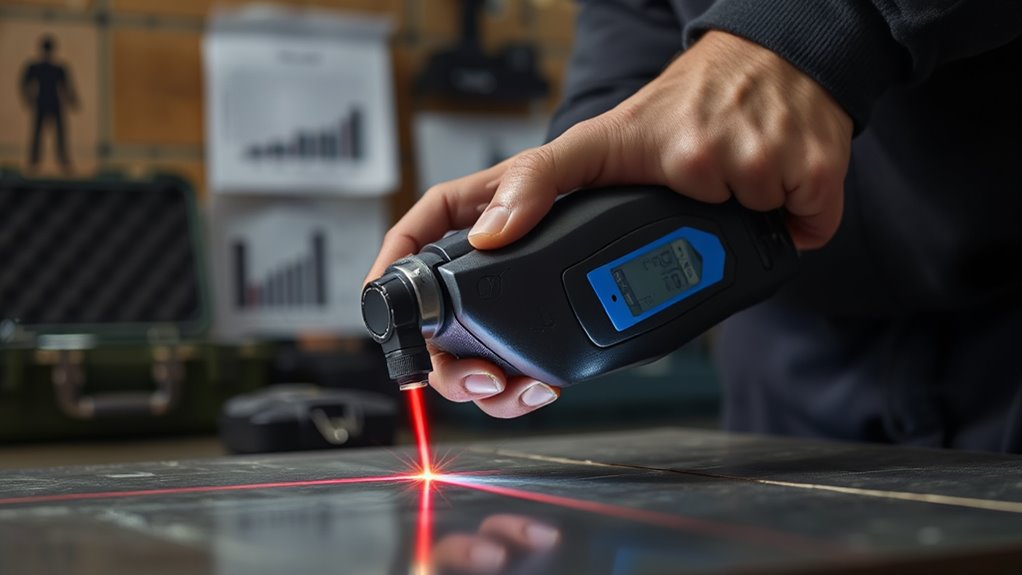
When selecting a handheld laser marker, I evaluate power and marking speed to suit my projects. I also prioritize portability and light weight for easy on-site use without fatigue. Additionally, I consider material compatibility, software interfaces, and safety guidelines to ensure anyone can operate it confidently.
Power And Marking Speed
If you’re choosing a handheld laser marking machine, power and speed go hand in hand. Higher wattage usually means faster marks, especially on metals and tougher materials. I measure speed in mm per second, and faster motion finishes jobs sooner. Power affects how deeply I engrave and how high the contrast looks. The right power and speed depend on the material, with softer stuff needing less power. Sometimes more power lets me skip extra passes and finish faster. I like testing small samples to dial in the perfect balance for each project. If you need durable marks, push a bit more power and expect an improvement. Remember, practice makes perfect and safety stays important. Start with lower power, test, then adjust settings.
Portability And Weight
Portability matters because you’ll carry and use the tool all day. A light unit reduces wrist strain, and a compact profile fits tight workspaces. I target under three pounds and a slim form that fits in a toolbox. Battery life matters too, so I favor models with good standby and quick recharge. Practice tips: test in a real space, note grip, weight, and balance. Pack an extra battery or charger, and carry the tool in a padded case. If it feels heavy, switch to a lighter model for quick field jobs. Portability also means easy setup, clear instructions, and controls that aren’t hard to reach. The right balance lets you mark smoothly without tiring your hand.
Material Compatibility Range
Choosing a handheld laser means considering what it can mark and how well. Compatibility varies: some devices mark metals such as gold, silver, and steel, while others mark non-metals like paper, plastic, and leather. Power matters a lot, and higher wattages, such as 30W, let you make deeper, more durable marks on more metals. Some materials—dark opaque acrylic, felt, and fabric—respond best to specific laser types and power levels, so plan your projects accordingly. Marking coated metals expands what you can do, but you may need to tweak settings. A repeat positioning accuracy of 0.01 mm helps keep patterns consistent across different materials. This makes everyday workshops smoother and more fun today.
Software And Interfaces
Software and interfaces shape how easy it is to use a handheld laser. Some machines run simple built-in touchscreens, while others offer PC-based programs with large editing features you can learn quickly. I like when you can import file formats like PLT, so you print graphics without extra software. For fancy texts or numbers, look for dynamic marking that can handle dates and serial numbers automatically through a database. A red light preview helps you position the mark before you fire the laser.
Good software also speaks your language and other team members’ languages, which saves time and confusion. Pick a system with clear controls, reliable data input, and a preview that shows exactly where the laser will mark when you start each time.
Safety And Compliance
Safety and compliance come first when selecting a handheld laser. I look for devices with safety features such as protective enclosures and safety interlocks. That helps reduce exposure risks during use and keeps the workspace comfortable. I also verify the laser class and ensure IEC 60825-1 compliance is documented. Class 2 is safer for marking, while Class 4 requires strict controls. Labels should display the laser class, output power, and safety notes so users stay informed. Wavelengths around 1064 nm require proper eye protection because the beam may be invisible. Keep the selection simple by choosing machines with trusted components and easy-to-read manuals.
Warranty And Support
When you buy a handheld laser, a solid warranty keeps you confident as you learn. Most warranties run about a year for the whole machine, protecting you from defects in materials or workmanship. Some brands offer longer support or even lifetime assistance, which is great if you plan to use the tool a lot. If you can get lifetime help, you know someone will answer when you have questions. Support channels usually include email, phone, and online resources like FAQs or knowledge bases. US-based teams often respond faster and speak your language, which makes fixes feel simple. Look for a 30-day return policy for extra protection and peace of mind. It helps you save time, avoid hassles, and enjoy steady results daily.
Frequently Asked Questions
What Maintenance Schedule Ensures Consistent Laser Performance Long-Term?
I perform daily cleanings, weekly inspections, and monthly checks of lamps and lenses; calibration is done quarterly. I log runs and wear, replace consumables proactively, and train users to report any performance degradation for immediate troubleshooting alerts.
How Does One Verify Material Safety Data Before Marking?
I verify the material safety data before marking by reviewing hazards, compatibility, and required PPE, cross-checking the manufacturer’s SDS, confirming ventilation requirements, and ensuring proper labeling and compliance with workplace safety standards.
Are These Devices Compliant With Local Restrictions on Laser Use?
Yes, they can be compliant, but it depends on your locale, power class, and licensing. I verify laws, ratings, and safety features before use, and I consult manuals to stay within allowed laser categories.
What Warranty Coverage Applies to Accidental Damage?
Accidental damage is not typically covered under standard warranties. To address this gap, I offer a separate accidental-damage protection option: a limited warranty extension that covers drops and common user mishaps for 12 months. The plan includes a deductible and clearly defined exclusions. Let’s review the specifics to determine what best fits your needs.
Can Handheld Markers Be Used Underwater or in Dusty Environments?
Handheld markers are not safe to use underwater unless the device is specifically rated for submersion. Dusty environments can affect performance unless the unit is IP-rated. Check the product rating and sealing options, consider upgrading to a protective housing, or choose a model explicitly designed for wet or dusty conditions.