Starting a Laser Engraving Business lets you turn simple ideas into real products, like keychains, mugs, or wood signs.
You pick a niche, decide on a machine, and set a small, safe workspace.
Start with cheap diode lasers, stock materials in bulk, price smart, and test easy projects first.
Build a friendly online storefront with clear photos, then market to hobbyists and local makers.
It’s doable, and your next step waits just ahead.
Define Your Laser Engraving Model: Choose Type, Niche, and Revenue

To start, choose your laser type, pick a niche, and plan how you’ll make money. Your next step is to map service offerings that fit your skills, budget, and audience. Do market research by asking friends, checking local shops, and browsing online stores for trends. Keep it simple at first, maybe keychains and coasters, then expand as you learn what customers love. Choose a niche you enjoy, because passion sells, and you will enjoy every project. Remember, the goal is steady progress, not a flashy start. Keep notes, test ideas, and celebrate small wins along the way each day. A good starting machine like the Ray5 5W offers 400 x 400 mm working area and Wi-Fi connectivity, making it ideal for beginners scaling into small business production.
Assess Options and Set Up Your Workspace: Budget, Equipment, and Space
First, map your budget and space so you choose gear you can actually use. You’ll find that machine selection matters, but you don’t need every gadget to start small. Consider a diode laser for affordability, or a budget CO2 if you prefer wood and glass crafts. Do space planning by measuring a corner and listing a table, a vent, and a chair. Think about safety, airflow, and easy cleanup after projects. Set up a clear workspace with labeled bins to save time. Start simple, add tools slowly, and enjoy the creative flow. You can upgrade later, but start today. A higher wattage laser enables faster cutting and thicker material processing, which is essential as your business scales.
Source Materials, Price Smartly, and Target Profit Margins
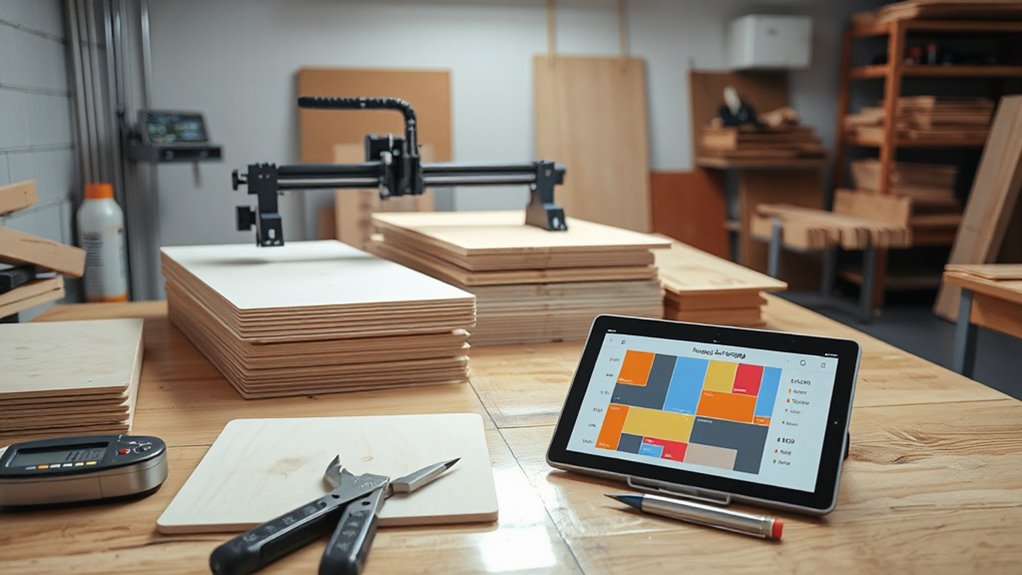
When you source materials, shop smart for bulk discounts and durable basics. You keep costs down and learn to plan for margin analysis, which helps you see true profits. Buy in batches, compare suppliers, and choose sturdy options that tolerate wear. Keep notes on prices, sizes, and delivery times, then adjust your quotes to stay competitive. Your aim is clear, consistent quality, and joyful projects that friends admire.
- Bulk buying saves money and simplifies orders
- Compare prices and lead times for key items
- Choose durable, reusable materials when possible
- Track costs to protect your margins
Keep learning daily, friend.
A reliable option for diverse projects is the MiniInflat 253-Piece Laser Engraving Material Kit, which includes a wide range of compatible materials like wood, acrylic, and fabric.
Launch, Market, and Grow Your Laser Engraving Business
Now that you know how to source materials smartly, it’s time to launch your laser engraving business. Start by setting up a simple online shop or local market booth, and you can show off prototypes. Build your online presence with clear photos, friendly descriptions, and fast replies. Use social media to share work in progress, customer stories, and quick how-tos, so friends see your progress. Post hours, prices, and who you serve, like small makers and teachers. Stay consistent, answer questions kindly, and celebrate every small order as proof this hobby can grow for you today.
Frequently Asked Questions
How Long to Break Even After Startup?
Typically, break-even occurs in the first 6 to 12 months, depending on pricing strategy and sales volume. Track margins, control costs, and accelerate orders; reinvest profits to grow until revenue exceeds total startup costs.
What Insurance Do I Need for Laser Engraving Business?
You’ll want several core coverages for a laser engraving business:
- General liability and property insurance
- Equipment breakdown and/or business interruption coverage
- Optional product liability if you create items for sale
- Workers’ compensation if you have employees
- Environmental and environmental-liability coverage if you handle solvents or generate fumes
Make sure the policies specifically cover potential laser-related risks such as burns, fumes, solvent spills, fire, and property damage. Verify appropriate limits and deductibles, and regularly review coverage as your shop and processes change. Document safety compliance (ventilation, fire suppression, PPE, and training) to support claims and risk management.
How to Handle Patent or Intellectual Property Issues?
To manage IP, conduct trademark searches and seek design protection for distinctive engravings. Do not copy others, document your creations, and consult an IP attorney if you need to enforce rights or manage risk.
What Are the Tax Implications for a Home-Based Business?
As a home-based creator, you’ll owe self-employment tax on net earnings and must pay estimated taxes quarterly to avoid penalties. You can deduct ordinary and necessary business expenses, including a home office deduction, office supplies, and other related costs. Track income and receipts to maximize deductions and stay compliant.
What Safety Certifications or Training Are Required?
There is no universal certification for laser safety. Obtain comprehensive laser safety training and comply with local regulations, employer requirements, and manufacturer instructions. Always wear appropriate eye protection, ensure adequate ventilation, monitor for fumes, and document training and certifications to maintain compliance.
Conclusion
You can turn a hobby into cash by starting small and practicing daily. Pick a simple project like personalized keychains or wooden tags, then show clear photos online. Keep costs low by buying in bulk and choosing a reliable, affordable diode laser. Set up a safe workspace, measure materials, and test designs before you ship. Market with friendly posts, cheat sheets, and quick tutorials, and soon you’ll see steady orders and real progress every day.