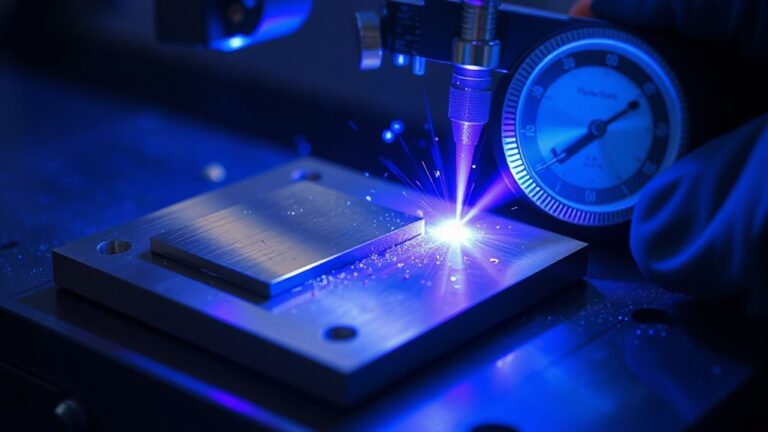
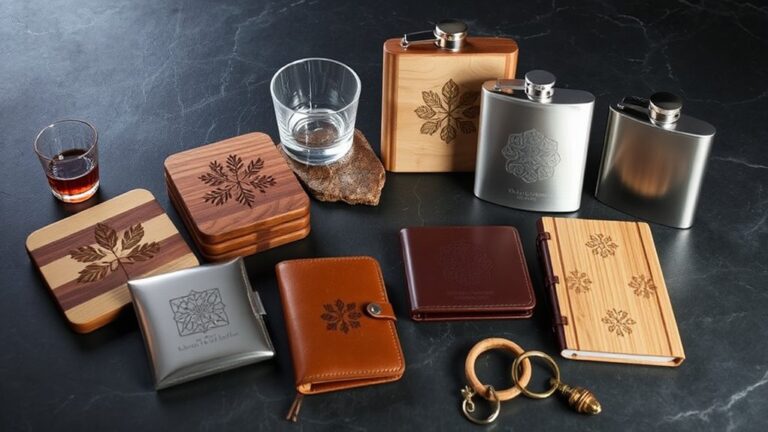
Laser Etching Vs Engraving: they sound similar, but they act differently on materials you use at home.
Etching uses heat to mark surfaces fast, great for acrylic panels or thin plastics, while engraving actually removes material to make deeper, tougher marks.
You might choose etching for speedy decorations on laptop lids, or engraving for serial numbers on thicker metal parts.
If you want a clear rule of thumb, stick around to see a simple decision framework you can use.
What Is Laser Etching and How Does It Differ From Engraving?
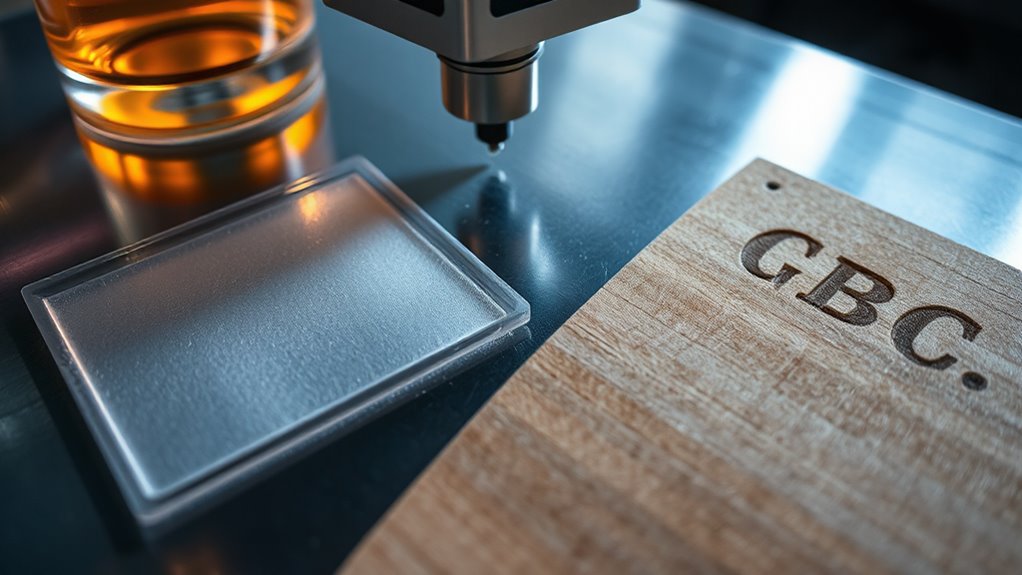
Laser etching is a quick, surface mark using heat, not deep carving. You guide a laser to lightly heat the surface, causing it to melt then cool. This creates surface alteration and small shifts in the material, not a big cut. It’s fast, easy to control, and you can try simple patterns on wood, plastic, or metal. For beginners, start with low power and short passes, watching for darkening rather than burning. Remember, you’re moving toward material displacement rather than removing large chunks. With practice, you’ll mark labels, initials, or tiny designs, quickly and clearly. Have fun today.
Fiber laser engravers like the xTool F2 Ultra support precise MOPA fiber laser control for fine surface etching on metals.
How to Decide: Etching or Engraving for Your Project
When choosing between etching and engraving, consider the material and its thickness. For thin plastics or delicate metals, etching is faster and creates a shallow contrast, which works well for logs and tags. If you need deep, durable marks and clear numbers, engraving is the better option, especially on stainless steel or thick wood. A 5W laser, such as the Ray5 laser spot size, can achieve precise engraving on these materials with its 0.08 mm focus accuracy.
Material Suitability
If you’re deciding between etching and engraving, start by looking at your material and its thickness. The surface finish you want matters, and thinner pieces often look sharper with etching while thicker ones handle engraving better. You’ll discover how easy it can be to plan a project.
- Material thickness guides the depth you’ll etch rather than carve away
- Surface finish changes how light reflects on metal, wood, or plastic
- Delicate plastics and thin metals prefer shallow etching over deep carving
- Thick, durable materials like stainless steel handle deeper engraving with reliability
Practice on scraps first to get a feel.
For precise control over depth and detail, consider using software like LightBurn, which is supported by advanced laser engravers such as the Creality Falcon and ACMER S1.
Desired Depth
Choosing how deep to mark your project helps you decide between etching and engraving. You can pick a shallow look for delicate pieces, and deeper lines for bold statements, which means you weigh marking levels before you start. If you want a quick mark, etching usually needs less energy and keeps things fast, while engraving digs in deeper with more power. For surface impact that should last, engraving creates deeper cavities and stronger contrast, which helps with surface impact. If you need easy readability on metal, you might choose etching for a shallow, quick mark that still stays legible.
Durability and Contrast
Durability and contrast matter because you want marks that last and stay clear under use.
- Etching provides wear resistance on delicate surfaces.
- Engraving delivers strong visual impact with deep cavities.
- Etching is faster and preserves material strength.
- Engraving lasts in harsh conditions and resists wear.
Together, you can choose based on how the piece will be used. If speed matters and you want clean contrast, go with etching. If the item faces rough handling or needs a permanent mark, engraving is your option. Try small tests first to assess wear resistance and visual impact before finalizing for better results.
What You Can Expect in Depth and Speed With Laser Etching
Laser etching yields shallow marks quickly, demonstrating depth and speed with good depth control across different materials. Monitor process consistency by testing a sample first, since material variability affects heat and pattern. When etching metals, wood, or plastic, adjust pulse distance and power to keep depth predictable across material variability.
Depth And Speed
Depth and speed with laser etching depend on power settings and material type. You adjust the power for a shallow mark or a deep groove, and the material’s density decides how fast you go. When you tune pulse duration and pass quantity, you control heat, detail, and edge sharpness. Expect small steps to feel arcade friendly, not scary, as you learn the rhythm of your laser.
- Short pulses build crisp lines and quick marks
- Longer pulses deepen etching and reduce ghosting
- Higher pass quantity adds contrast while keeping details
- Start with low power and test on scrap metal
Enjoy.
Process Consistency
Consistency in laser etching comes from tuning power, speed, and passes until results repeat. Set a steady pattern, test a sample, and watch for repeatability in every mark. When you adjust power in small steps and keep the same speed, the lines stay clean and sharp, with precision you can trust. Save presets for common items, like tags and small panels, so you don’t have to start over each time. Practice helps you see how material wobble or dust affects depth, yet you still achieve consistent outcomes through careful calibration and patient practice. Keep notes and review results weekly as well.
Material Variability
Material variety shapes how laser etching behaves, so expect different depths and speeds across items. You will notice material thickness changes how fast the marks form and how deep they go. The surface finish matters too, because shine and texture can boost or hide contrast.
- Check material thickness with a quick sample to estimate depth.
- Start with lighter settings on delicate finishes.
- Monitor surface finish to keep contrast even.
- Save presets for common materials like acrylic, wood, metal.
With practice, you will gauge the right feel for each project and enjoy the process every single time.
How Durability and Environment Affect Etched Marks
Sure, etched marks hold up best in gentle, predictable settings, but they can fade under harsh conditions. You’ll notice wear resistance matters, especially where items rub or edge-trim. In everyday use, environmental factors like moisture, sunlight, and dust can dull contrast over time, so position etchings away from heat or chemicals. Clean with a soft cloth, and avoid abrasive cleaners that scratch the surface. If you need quick results, know that etching stays sharp longer on smooth, nonporous surfaces. For jewelry or tools, test a tiny area first to confirm readability after exposure. Keep records for future comparisons.
Which Materials Suit Laser Etching Best?

After weighing durability in different environments, you can spot which materials fit laser etching best. You like quick marks on thin items and you want good contrast. With metal contrast and plastic sensitivity in mind, you test safe options and easy cleanup. Here are four materials that shine with etching:
- Aluminum sheets for bright, clean lines
- Brass tags with crisp letters
- Acrylic panels that show shadows well
- Delicate foils that preserve edge integrity
Experiment, compare finishes, and keep notes, because practice turns simple etching into reliable, satisfying projects you can proudly share with friends. Your skills grow with every try.
A Practical Decision Framework: Choosing Between Etching and Engraving
Choosing between etching and engraving depends on your goal and how you’ll use the piece.
Start with a simple cost analysis to compare tools, materials, and time.
Consider production volume, since high runs favor engraving for consistency and efficiency.
Etching works well on delicate surfaces where speed matters, while engraving yields deeper, longer-lasting marks.
For hobbyists, begin with a small test piece, compare results, and decide what you prefer.
Keep it friendly, safe, and simple, and you’ll enjoy learning the differences.
Document outcomes, adjust methods, and celebrate wins along the way.
Quick-Reference Guide: When to Etch vs Engrave (Checklist)
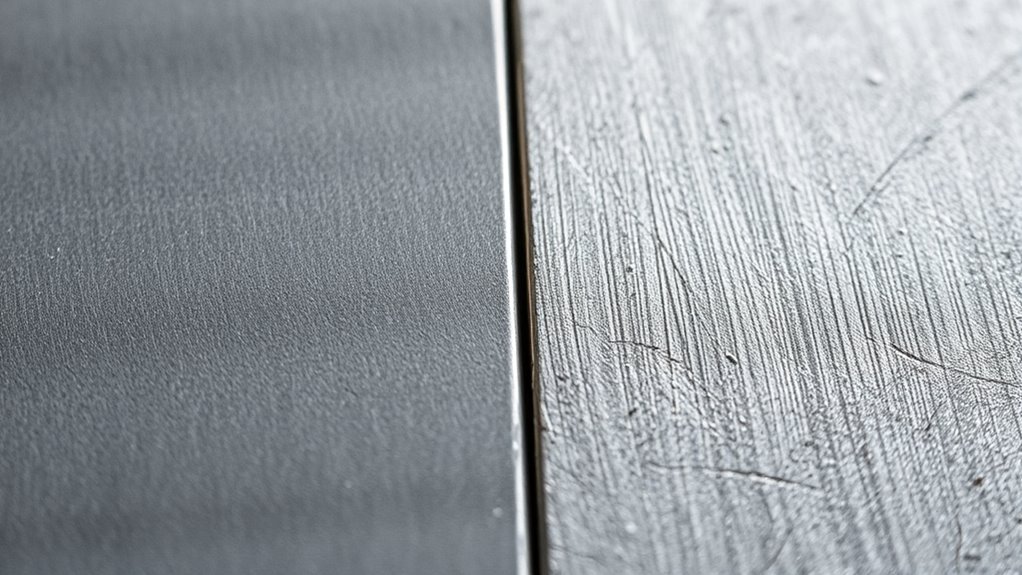
To pick the right method quickly, use this quick checklist after reviewing the decision framework. Decide fast by focusing on what matters most to you, and determine whether etching is sufficient or engraving is required. Consider how the mark will endure, how fast you need it, and how hard the surface is.
- Marking speed
- Long-term visibility
- Material and depth requirements
- Production volume and tool wear
Frequently Asked Questions
Do Cost Differences Depend on Material Thickness and Batch Size?
Yes, cost differences depend on material thickness and batch size. Thicker materials increase setup and running costs, while larger batches spread setup fees and reduce per-piece running costs, affecting pricing for laser etching or engraving.
Can Laser Etching Be Reversible or Removed Easily?
Laser etching is not reversible in most cases; the etched mark cannot be undone. Some surface cleaning may remove residues, but the underlying damage typically remains. Repainting, resurfacing, or masking may be needed to conceal or restore the appearance.
Which Process Offers Better Readability on Curved Surfaces?
Engraving yields better readability on curved surfaces because deep, high-contrast cavities remain legible as curves bend. It enhances depth perception and maintains contrast, ensuring serials or markings stay clear at various angles.
How Does Post-Processing Affect Etched Vs Engraved Marks?
Post-processing can improve etched marks by enhancing surface finish and durability, smoothing edges while preserving depth. For engraved marks, sealing or polishing can enhance surface finish and durability, but care must be taken to avoid obscuring cavities.
Are There Industry Standards or Certifications for Laser Markings?
Yes, there are industry standards and certifications for laser markings. Follow traceability and validation requirements to ensure consistent quality, regulatory compliance, and reliable performance across materials, processes, and production lots in your operations.
Conclusion
Now you know when to etch or engrave, and why it matters for your project. If you’re making a quick acrylic badge, choose etching for a fast, clean look that resists wear. For a metal tag or rugged tool, engraving creates deeper, more durable marks that withstand rough use. Start small, test on scrap, and compare results. Set a clear goal, choose materials wisely, and enjoy the craft while you learn more each day.